

















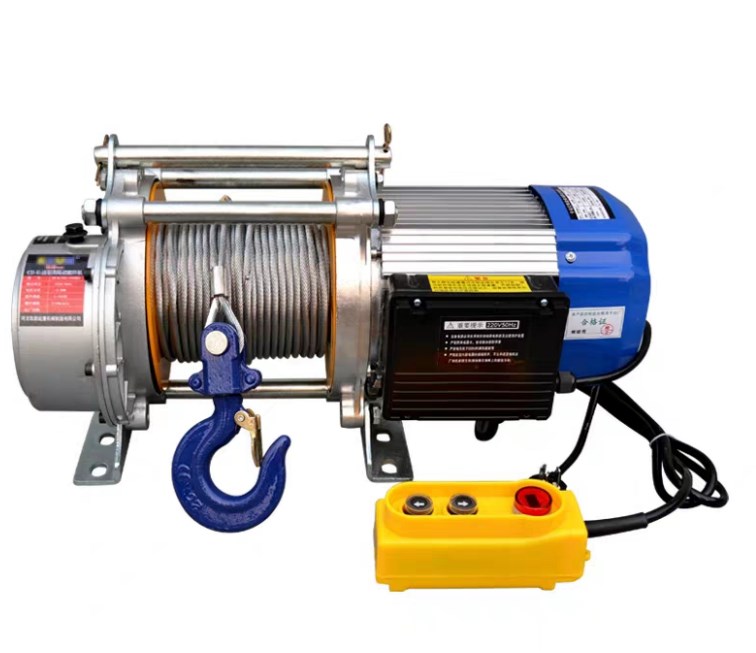
Introduction: Why Electric Winches Matter in Nigerian Industrial Operations
When you’re running offshore platforms, pipeline installations, or marine operations in the Niger Delta, choosing the right electric winch in Nigeria can make the difference between smooth operations and costly downtime. Electric winches are essential for lifting heavy loads, deploying subsea equipment, positioning drilling rigs, and handling materials in some of the harshest working environments in Nigeria’s oil and gas sector.
An electric winch that fails during a critical offshore lift doesn’t just slow down your project — it puts your crew at risk and costs thousands in repairs and lost productivity. For operations in Port Harcourt, Warri, and across the Niger Delta, selecting the right electric winch for oil and gas and marine operations requires understanding load requirements, voltage configurations, and the environmental challenges unique to Nigeria.
This guide breaks down everything you need to know when buying an electric winch in Nigeria.
1. Types of Electric Winches in Nigeria — AC vs DC, Voltage Options
Electric winches come in two main types: AC (alternating current) and DC (direct current).
AC electric winches are the most common in Nigerian oil and gas operations. They run on standard industrial power and are available in three voltage configurations:
- 110V — Rare in Nigeria, mostly used on international rigs or vessels
- 220V — Standard for most Nigerian industrial sites and smaller offshore operations
- 440V (three-phase) — Common on large offshore platforms, heavy industrial facilities, and oil fields
DC electric winches run on battery power and are typically used in remote locations where grid power isn’t available or for mobile marine applications. However, for most oil and gas operations in Nigeria, AC winches are the preferred choice due to reliable power availability on platforms and industrial sites.
Critical tip: Before buying an electric winch, confirm your site’s voltage configuration. A 220V winch won’t work on a 440V system without a transformer, and mismatched voltage can damage the motor or create safety hazards.
2. Load Capacity for Electric Winches in Nigeria — How to Calculate What You Need
Electric winches are rated by their Safe Working Load (SWL), typically ranging from 1-ton to 100-ton capacity for industrial applications. For oil and gas operations in Nigeria, most companies need winches in the 5-ton to 50-ton range depending on the application.
How to calculate the right load capacity:
- Determine the maximum weight you’ll be lifting regularly
- Add a safety margin of 20-30% to account for dynamic loads and shock loading
- Choose a winch rated above that capacity
For example, if you’re lifting 8-ton loads regularly, you need at least a 10-ton electric winch. This safety margin ensures the equipment lasts longer under heavy use and reduces the risk of overload failures.
Common load capacities for Nigerian oil and gas operations:
- 1-ton to 3-ton — Light lifting, small equipment handling
- 5-ton to 10-ton — Standard offshore and marine operations, pipeline handling
- 20-ton to 50-ton — Heavy-duty lifting, large subsea equipment, platform maintenance
Never buy a winch rated exactly at your maximum expected load — it’s a safety risk and shortens the equipment’s lifespan.
3. Key Features to Look For
When buying an electric winch for oil and gas or marine operations in Nigeria, these features are essential:
Remote Control
Remote control allows operators to control the winch from a safe distance, improving visibility and reducing accident risk. Wireless remote systems are ideal for offshore and mobile operations where the operator needs to move around the site. This is standard on most industrial winches used in the Niger Delta.
Overload Protection
Overload protection automatically stops the winch if the load exceeds safe limits. This prevents equipment damage, wire rope failure, and accidents. It’s a non-negotiable safety feature for oil and gas operations.
Corrosion Resistance for Offshore Use
The Niger Delta’s humid, saltwater environment is brutal on equipment. Look for electric winches with:
- IP54 or IP55 environmental protection (minimum) for dust and water resistance
- IP65 or higher for subsea or deck-mounted marine applications
- Corrosion-resistant coatings and stainless steel components to withstand saltwater spray and harsh weather
A winch designed for indoor warehouse use will corrode and fail within months offshore. Always confirm the IP rating and corrosion protection before purchasing.
4. Common Mistakes When Buying Electric Winches in Nigeria
Buying the Wrong Voltage
Mismatched voltage is one of the most common mistakes. A 220V winch won’t work on a 440V platform without a transformer, and forcing the wrong voltage can damage the motor or create fire hazards. Always confirm your site’s power configuration before ordering.
Underestimating Load Requirements
Buying a winch rated exactly at your maximum load leaves no safety margin. Always add 20-30% capacity above your expected loads to account for dynamic forces, shock loading, and long-term reliability.
Ignoring Maintenance and Spare Parts Availability
If your winch breaks offshore and the nearest spare parts are in Europe with a 6-week lead time, you’re losing money every day it’s down. Buy from suppliers in Nigeria who stock spare parts locally and offer technical support in Port Harcourt or Lagos.
Choosing Price Over Quality
Cheap electric winches fail fast, especially in offshore conditions. A ₦500,000 winch that breaks down after six months costs more than a ₦2,000,000 winch that runs reliably for five years. For oil and gas operations, reliability is worth the investment.
5. Where to Buy Electric Winches in Nigeria
When sourcing an electric winch in Nigeria, work with suppliers who understand oil and gas and marine operations.. They should be able to provide technical specifications, offer after-sales support, supply genuine spare parts locally, and advise on the right winch for your specific application.
Looking for electric winches in Port Harcourt? Vallzubby stocks electric winches in multiple voltage configurations (110V, 220V, 440V) and load capacities up to 10 tons, built for oil & gas, marine, and industrial operations across the Niger Delta. View our electric winch product page here for specifications and availability.
Call or email for technical specs and pricing: 📞 08061208447 📧 info@vallzubby.com 📍 5 Aba Road, 1st Artillery, Port Harcourt.
Final Recommendation
For oil and gas and marine operations in Nigeria, invest in electric winches from reputable manufacturers with proven offshore performance. Prioritize:
- Correct voltage configuration (220V or 440V for most Nigerian sites)
- Load capacity with a 20-30% safety margin above your maximum expected loads
- IP54 or higher environmental protection for corrosion resistance
- Remote control and overload protection for safe operation
- Local supplier support and spare parts availability in Nigeria
The right electric winch is an investment that pays for itself in uptime, safety, and long-term reliability.