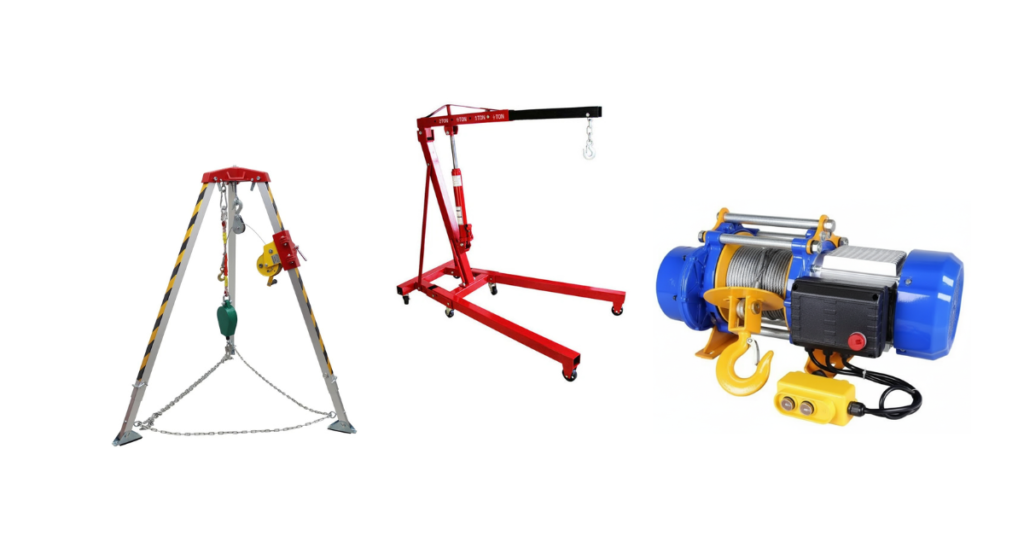
When you’re running offshore platforms or marine operations in Nigeria, having the right lifting equipment isn’t just about efficiency; it’s about safety, compliance, and keeping operations running without costly downtime. From deploying subsea equipment to maintaining platform structures, reliable lifting gear is essential for every oil and gas operation in Nigeria. This guide covers the five most critical pieces of offshore lifting equipment Nigeria platforms need, what to look for when buying, and where to source quality gear in Port Harcourt and across the Niger Delta.
1. Electric Hoists —The Foundation of Platform Lifting Operations
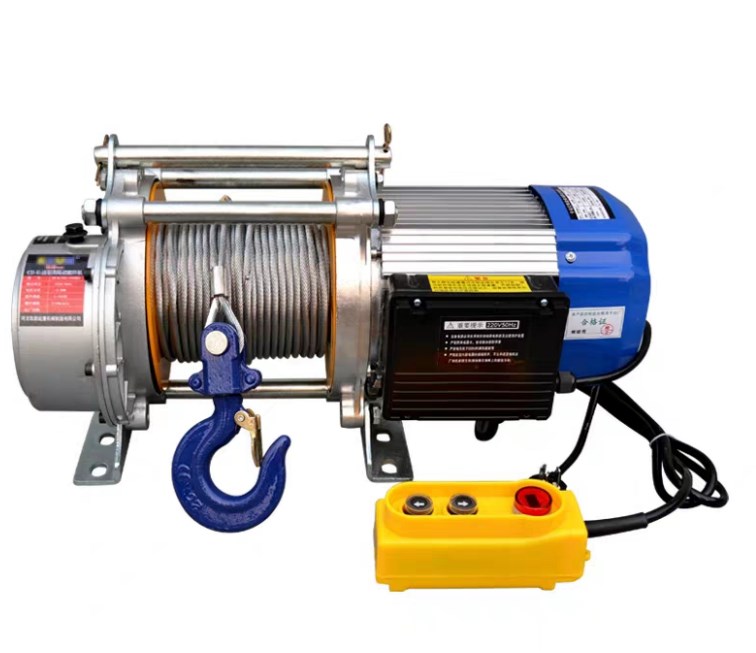
Electric hoists are the backbone of vertical lifting operations on offshore platforms in Nigeria. Whether you’re lifting equipment to upper decks, positioning materials during maintenance, or handling cargo transfers, electric hoists deliver consistent, controlled lifting power.
Why Electric Hoists Are Essential Offshore Lifting Equipment in Nigeria:
Electric hoists provide remote-controlled operation, which is critical for safety on crowded platforms. Operators can control the lift from a safe distance, reducing the risk of accidents. For offshore platforms in the Niger Delta, corrosion resistance is non-negotiable; look for hoists with IP54 or IP65 protection and aluminum or stainless steel construction to withstand saltwater spray and high humidity.
Key features to look for:
- 220V or 440V power configuration (standard for most Nigerian platforms).
- Load capacity from 500kg to 10 tons depending on your lifting needs.
- Remote control operation for safe, hands-free lifting.
- Overload protection to prevent equipment damage and accidents.
- Compact design for tight spaces common on platforms.
Electric hoists are used daily on offshore platforms for lifting tools, equipment, supplies, and personnel transfer baskets. They’re a must-have for any Nigerian oil and gas operation. Learn more about IP rating standards at the International Electrotechnical Commission (IEC) website.
2. Electric Winches — Heavy-Duty Lifting for Subsea and Marine Operations
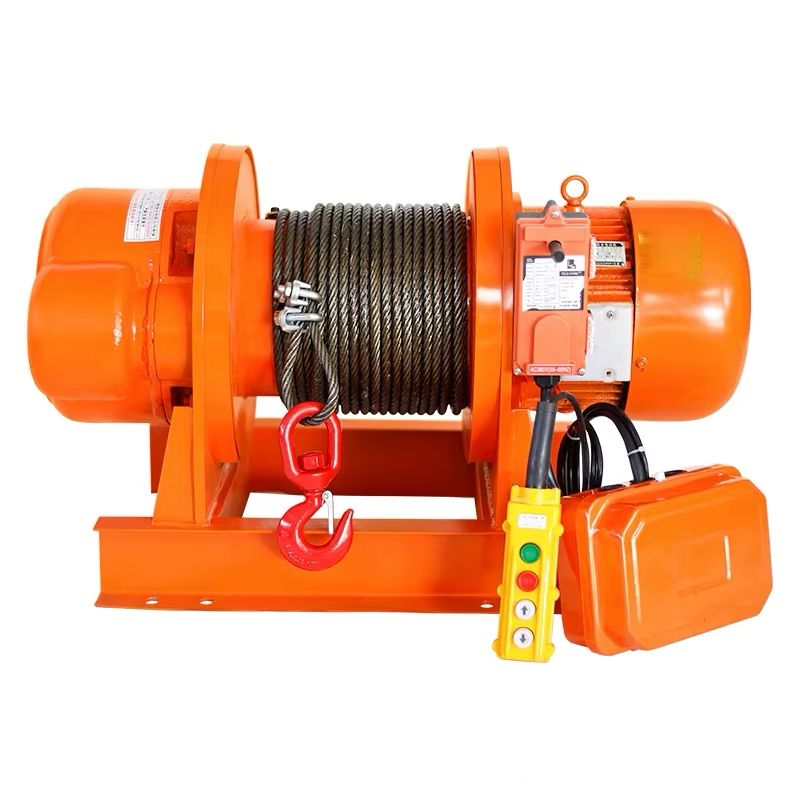
When you need to handle multi-ton loads — deploying subsea equipment, anchoring operations, or pulling heavy materials, electric winches are essential. Electric winches Nigeria platforms use are built to handle extreme loads and harsh offshore conditions.
Why Electric Winches Are Critical Offshore Lifting Equipment:
Unlike hoists, which lift vertically, winches can pull horizontally or at angles, making them versatile for marine and offshore work. They’re used for lowering subsea equipment, tensioning mooring lines, positioning drilling rigs, and hauling heavy materials across platforms.
What to look for when buying electric winches in Nigeria:
- Load capacity matched to your heaviest lifts (add 20-30% safety margin)
- Voltage options: 220V or 440V (confirm your platform’s power system)
- Corrosion-resistant wire rope (galvanized steel for saltwater environments)
- Variable speed control for precision handling of delicate subsea equipment
- IP65 or higher protection for deck-mounted or exposed installations
Electric winches are a high-investment item, but they pay for themselves in uptime and safety. Nigerian offshore platforms operating in the Niger Delta rely on them for critical subsea operations.
3. Chain Blocks — Manual Lifting Equipment for Nigerian Offshore Platforms
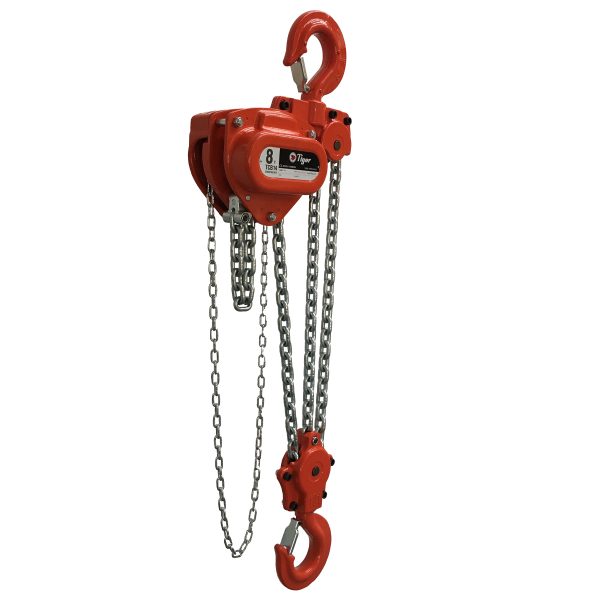
Not every lift on an offshore platform requires electricity. Chain blocks (manual chain hoists) are essential backup lifting equipment when power isn’t available, or for smaller, quick lifts where setting up an electric hoist isn’t practical.
Why chain blocks are essential on Nigerian platforms:
Offshore platforms experience power outages, equipment failures, and emergency situations where manual lifting gear is the only option. Chain blocks don’t require electricity, making them reliable in any situation. They’re also lighter and more portable than electric hoists, making them ideal for confined spaces, emergency repairs, and maintenance work.
Common uses on offshore platforms:
- Lifting engine components during repairs
- Positioning equipment in tight spaces
- Emergency lifting when power is down
- Rigging and tensioning operations
What to look for:
- Load capacity from 500kg to 10 tons
- Galvanized or stainless steel construction for corrosion resistance
- Overload protection to prevent accidental overloading
- Compact design for portability
Chain blocks are affordable, reliable, and essential safety equipment for any offshore operation in Nigeria.
4. Workshop Cranes — Lifting Equipment for Offshore Platform Maintenance in Nigeria
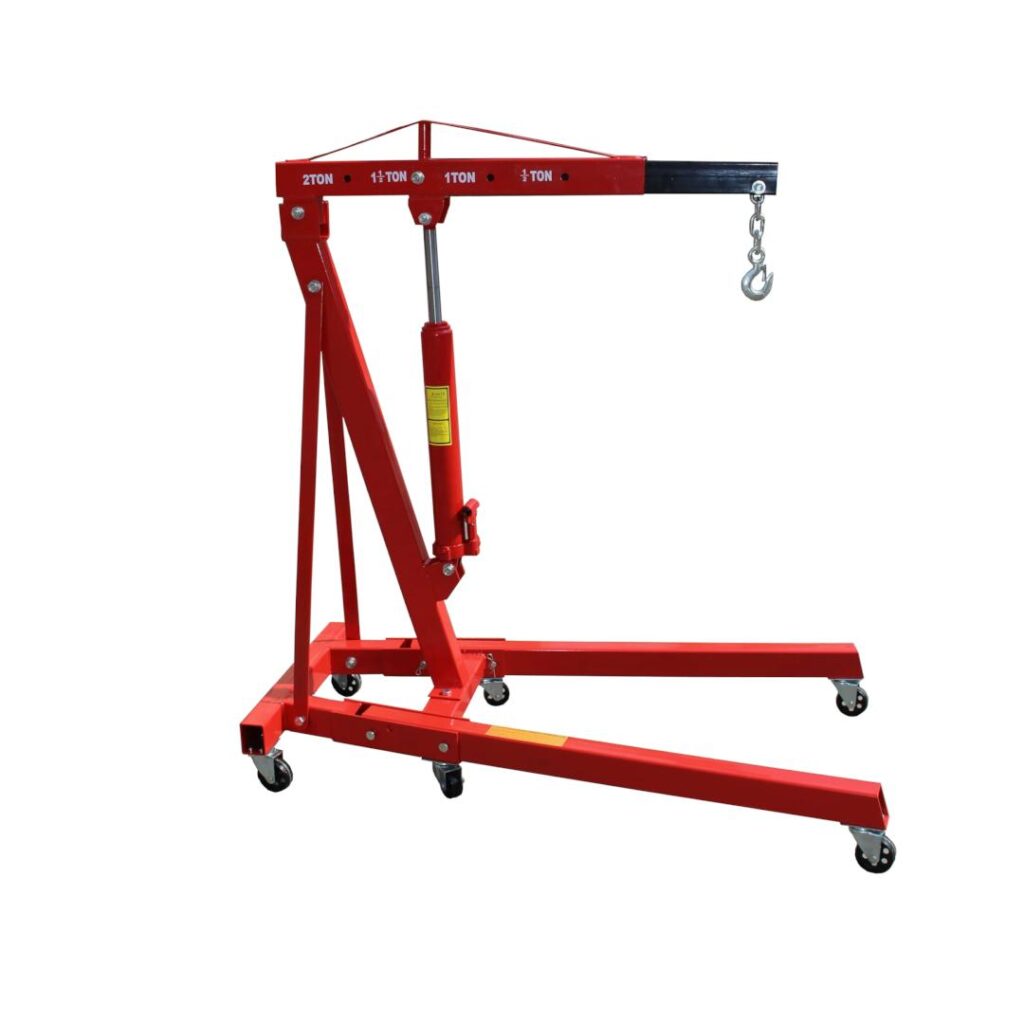
Workshop cranes, also known as engine cranes or hydraulic shop cranes, are critical for maintenance operations on offshore platforms. When you need to lift heavy engines, pumps, compressors, or equipment for repair, a workshop crane is the tool for the job.
Why Nigerian offshore platforms need workshop cranes:
Offshore platforms have workshops and maintenance areas where engines and heavy machinery are serviced regularly. Workshop cranes allow technicians to safely lift and position equipment weighing hundreds of kilograms without risking injury or damaging expensive machinery.
Key features:
- Hydraulic lifting mechanism for smooth, controlled lifting.
- Adjustable boom to reach different heights and angles.
- Load capacity from 500kg to 3 tons (most common range for platform workshops).
- Mobile design with wheels for easy positioning.
- Corrosion-resistant coating for marine environments.
Workshop cranes are used for engine maintenance, pump repairs, compressor servicing, and general heavy equipment handling in platform workshops across Nigeria. For hydraulic equipment safety guidelines, visit HSE’s guidance on hydraulic systems.
5. Rescue Tripods — Essential Offshore Lifting Equipment for Safety in Nigeria
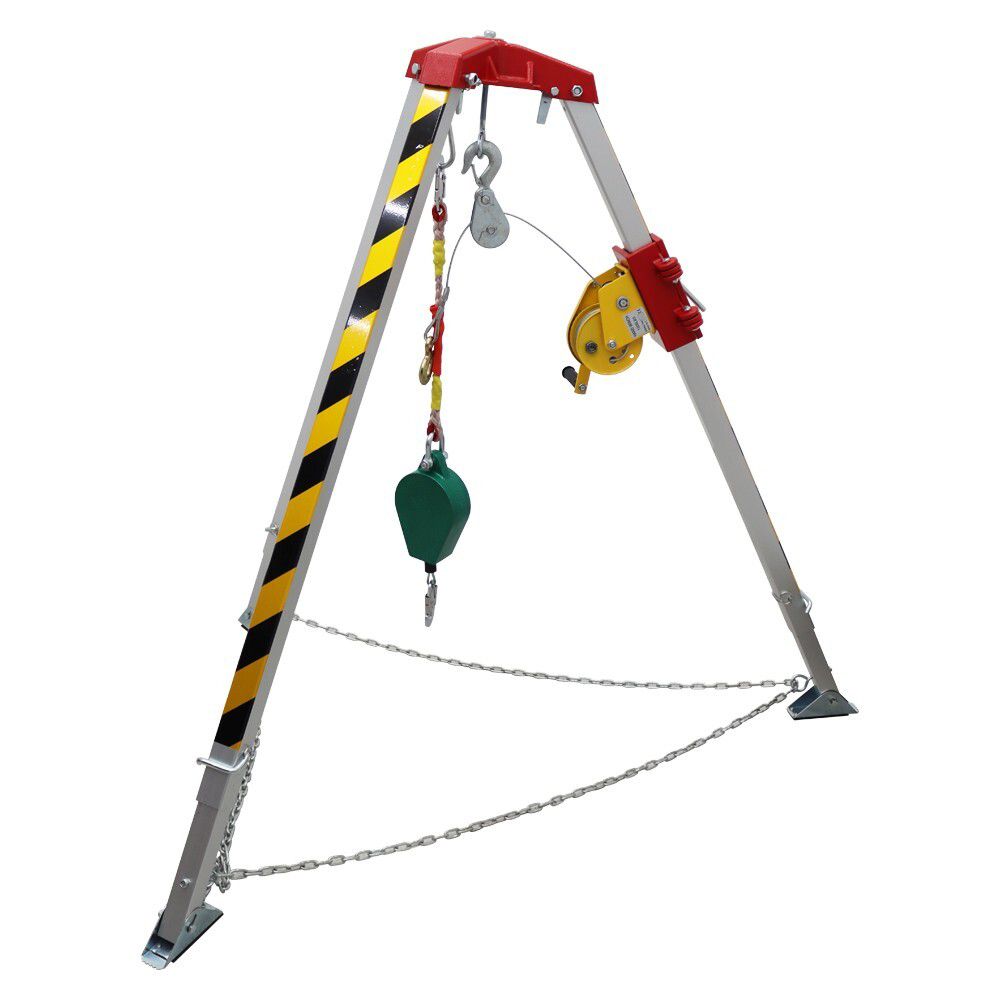
Rescue tripods are non-negotiable safety equipment for offshore platforms in Nigeria. Any platform with confined spaces — tanks, vessels, manholes, ballast tanks — must have rescue tripods on hand for safe entry and emergency rescue operations.
Why rescue tripods are essential:
Nigerian offshore operations are subject to strict HSE (Health, Safety, and Environment) regulations. Confined space entry without proper rescue equipment is a violation and a serious safety risk. Rescue tripods allow safe lowering and retrieval of personnel working in confined spaces, and provide a critical lifeline during emergencies.
What to look for in rescue tripods:
- Load capacity of at least 300kg (to handle personnel plus equipment).
- Adjustable legs for uneven surfaces common on platforms.
- Integrated winch or pulley system for raising and lowering personnel.
- Corrosion-resistant materials (aluminium or galvanized steel).
- Compliance with OSHA/ANSI standards for confined space rescue.
Rescue tripods are used for tank inspections, maintenance work in ballast tanks, vessel entry, and emergency rescue operations. They’re a legal requirement and a life-saving piece of equipment.
Where to Buy Offshore Lifting Equipment in Nigeria
When sourcing lifting equipment for offshore platforms in Nigeria, work with suppliers who understand the unique challenges of Niger Delta operations. Your supplier should provide.
- Technical specifications and load charts for all equipment.
- After-sales support and maintenance services in Nigeria.
- Genuine spare parts availability locally in Port Harcourt or Lagos.
- HSE compliance documentation for safety audits and inspections.
Don’t just compare prices, compare reliability, warranty terms, and the supplier’s track record supporting offshore operations.
Looking for offshore lifting equipment in Port Harcourt? Vallzubby Resources stocks electric hoists, electric winches, chain blocks, workshop cranes, and rescue tripods built for oil & gas and marine operations across the Niger Delta. View our lifting equipment here or contact us for specifications and availability.
📞 08061208447 📧 info@vallzubby.com 📍 5 Aba Road, 1st Artillery, Opposite Stanbic IBTC Bank, Port Harcourt
Final Recommendation
For offshore platforms operating in Nigeria, invest in quality lifting equipment from reputable manufacturers. Prioritize:
- Corrosion resistance (IP54 minimum, IP65 for exposed installations).
- Load capacity with safety margins (20-30% above maximum expected loads).
- Voltage compatibility (220V or 440V depending on your platform).
- Local supplier support for spare parts and maintenance.
- HSE compliance for safety audits and regulatory requirements.
The right lifting equipment is an investment that pays for itself in uptime, safety, and regulatory compliance. Don’t cut corners on equipment that keeps your crew safe and your operations running.